
The Parent Playbook
How to Support a Competitive Swimmer Without Burning Out
Competitive swimming can be an amazing season of growth—for your swimmer and for your family—but it can also be a lot. Early mornings, long meet days, homework in the bleachers, and the emotional highs and lows of racing can pile up quickly. The good news: supporting a competitive swimmer doesn’t require perfection. It requires a few steady routines, a calm presence, and a family culture that keeps swimming in its proper place—important, but not everything.
Sleep is the quiet superpower. When swimmers are rested, they learn faster, recover better, and handle stress more easily. A consistent bedtime (especially before meet weekends) matters more than a last-minute “sleep in” attempt. On nutrition, keep it simple: prioritize regular meals, bring easy fuel to meets (water, fruit, sandwiches, yogurt, granola), and aim for “familiar foods” on race days instead of experimenting. The goal isn’t a perfect diet—it’s steady energy and a body that feels supported.
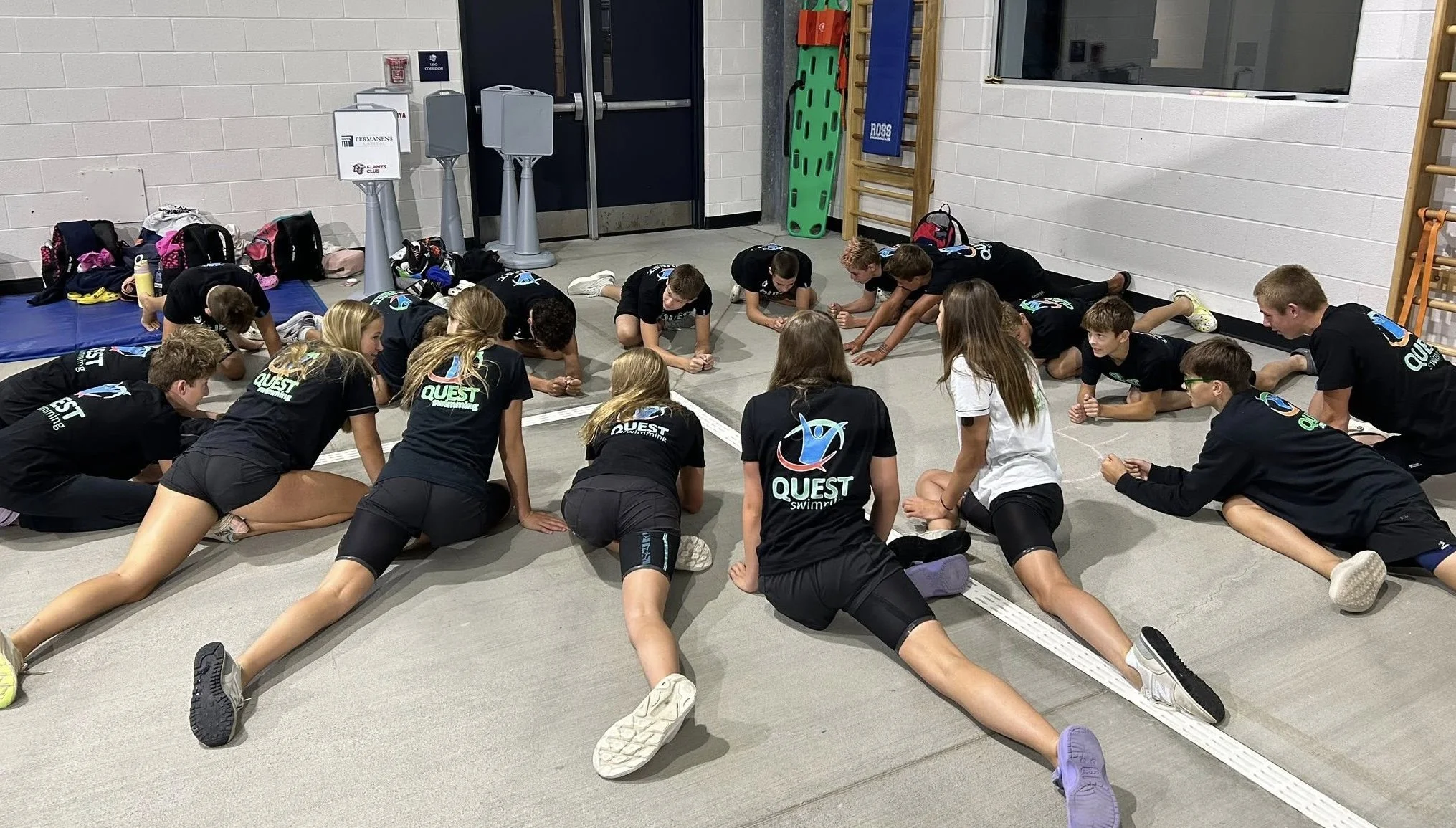
Preparation is performance. Warm up with intention.
Meet weekends are where family logistics can make or break the experience. A little planning goes a long way: pack a meet bag the night before, print or screenshot the meet timeline, and build a small “recovery routine” for after races (dry clothes, warm layers, hydration, a snack). If you have multiple kids or competing schedules, consider rotating responsibilities with another family—carpooling, sharing snacks, or alternating which parent stays for finals. When the weekend feels manageable, it becomes more fun for everyone.
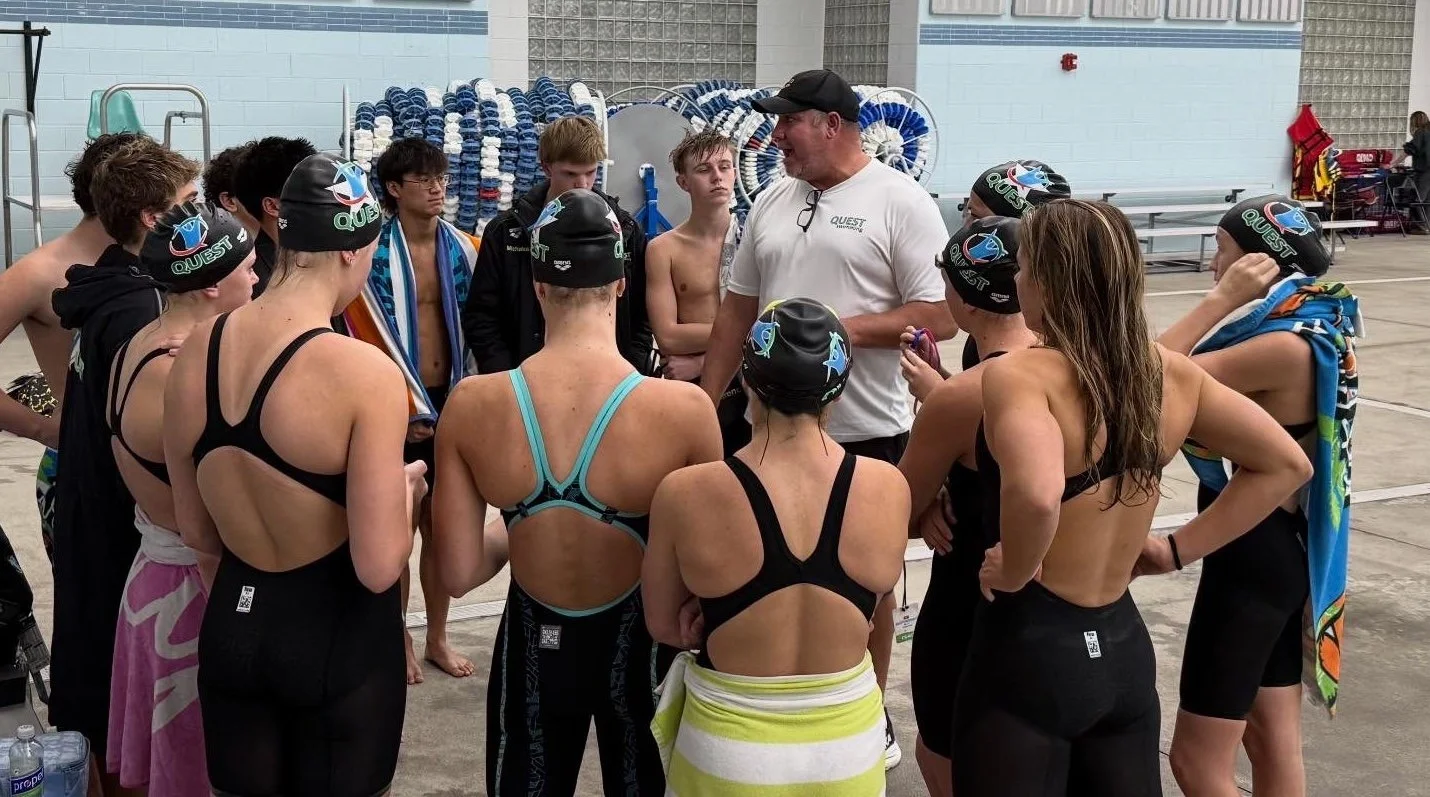
Let coaches coach—parents anchor the emotional safety.
One of the hardest moments for parents is the tough race—when your swimmer misses a goal, gets disqualified, or finishes far from where they hoped. The most powerful thing you can do is keep your first response consistent: “I love watching you swim.” Then ask gentle questions that help them process: “What felt good?” “What do you want to try next time?” If they’re not ready to talk, that’s okay too. Save technical feedback for the coach, and focus on effort, courage, and learning. Over time, your swimmer will internalize that their value isn’t tied to a time on the scoreboard.
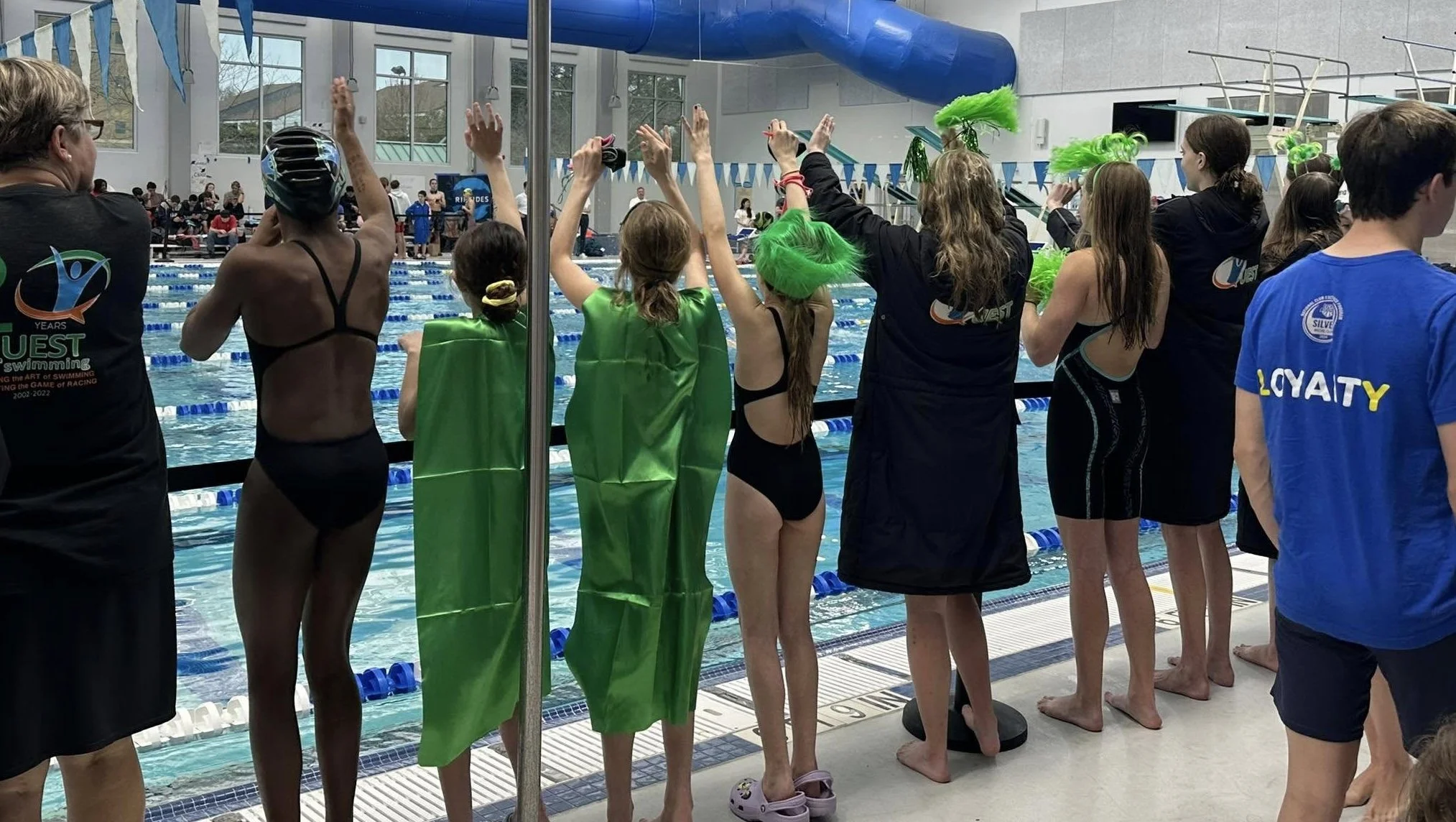
Keeping it fun is part of the training.
Finally, keeping swimming fun is a real strategy, not a bonus. Celebrate small wins (a strong turn, better breathing, showing up on a hard day), build in rest, and protect one family ritual that has nothing to do with swimming—pizza night, movie night, a walk, anything that reminds everyone they’re more than their schedules. And if you want to support the team beyond your own lane line, there are meaningful ways to get involved: volunteer at meets, share fundraiser posts, help with team events, or contribute toward travel support and swim lessons that expand access for more kids in our community. When families rally together, it reduces the load on everyone—and makes the sport stronger for the next generation.

When families pitch in, the whole team thrives!
